
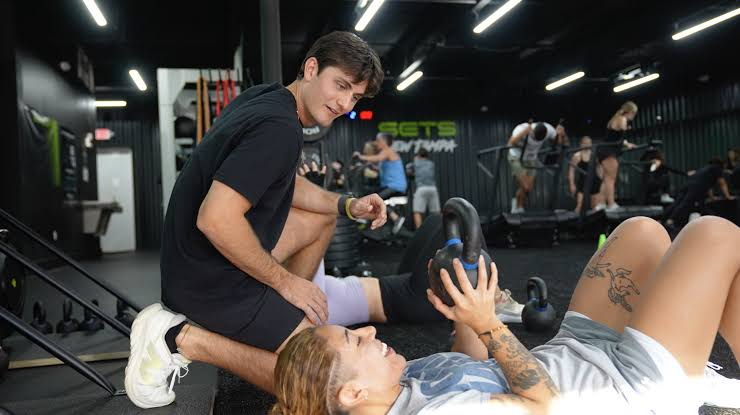
What Is HIIT? Benefits, Workouts, and Science
High-intensity interval training, commonly known as HIIT, is a workout approach that alternates short periods of challenging exercise with recovery or lower-intensity intervals. HIIT can be adapted to different exercises and fitness levels, making it a flexible option for people looking to improve cardiovascular fitness, endurance and overall physical performance. Understanding how HIIT works can help you decide whether this training style fits your goals and how to include it in a balanced exercise routine.
HIIT combines periods of higher-intensity exercise with planned recovery intervals. This structure can support cardiovascular fitness, exercise capacity and muscular endurance while providing an efficient workout format. HIIT workout benefits can vary depending on training intensity, exercise selection, fitness level, recovery and consistency. A suitable HIIT programme should be progressive and matched to individual ability.
What Is HIIT?
HIIT is a form of interval training that alternates periods of relatively high-intensity exercise with recovery periods. The work intervals can involve running, cycling, rowing, bodyweight exercises or other activities that allow you to increase your effort. There is no single HIIT format that applies to everyone, as the duration, intensity and recovery periods can be adjusted according to fitness level, exercise selection and training goals.
How Does HIIT Work?
During a HIIT workout, the body repeatedly moves between challenging work periods and recovery intervals. The work periods are designed to create a meaningful cardiovascular challenge, while the recovery periods allow you to prepare for the next effort. A complete session may include a warm-up, several work and recovery intervals and a cool-down, with the exact structure depending on the purpose of the workout.
What Are the Benefits of HIIT?
One of the main HIIT workout benefits is that this training style can provide a substantial exercise stimulus within a relatively short workout. HIIT can also introduce variety into a fitness routine and can be adapted to different activities and fitness levels. Potential benefits include:
- Improved cardiovascular fitness
- Increased exercise capacity
- Support for muscular endurance
- Efficient use of workout time
- Variety within a training routine
Results depend on factors such as training frequency, intensity, recovery, nutrition and overall lifestyle.
Can HIIT Improve Cardiovascular Fitness?
HIIT can provide an effective cardiovascular training stimulus because the work intervals require greater effort than easier continuous activity. Repeated intervals challenge the cardiovascular system while recovery periods allow the body to prepare for subsequent efforts. When performed consistently and appropriately, interval training can contribute to improvements in cardiovascular fitness and exercise capacity, although individual responses can vary.
Can HIIT Help With Weight Management?
HIIT can contribute to overall energy expenditure and physical activity, which may support weight-management goals when combined with appropriate nutrition and other healthy lifestyle habits. However, HIIT should not be viewed as a guaranteed method for weight loss. Body weight and body composition are influenced by multiple factors, including energy intake, daily activity, sleep, genetics and overall exercise habits, so a sustainable fitness routine is generally more important than relying on one specific workout method.
What Exercises Can Be Used for HIIT?
HIIT can be built around many different exercises rather than one specific movement. Running, cycling, rowing, stair-based activities and selected bodyweight exercises can all be used when they allow the person to increase effort appropriately. Exercise selection should take into account training experience, physical ability, available equipment, movement technique and individual goals so that the intervals remain challenging without compromising control.
How Long Should a HIIT Workout Be?
The length of a HIIT workout can vary depending on the number of intervals, work duration, recovery periods, warm-up and cool-down. A relatively short session can still provide a meaningful training stimulus when the intervals are structured appropriately. However, the total workout should not be judged only by the length of the intense periods, as preparation and recovery are also important components of an effective session.
How Often Should You Do HIIT?
HIIT can be physically demanding, so training frequency should reflect your fitness level, workout intensity and ability to recover. Performing challenging intervals too frequently may make it difficult to maintain workout quality and recover adequately, particularly when HIIT is combined with strength training or other demanding activities. Allowing appropriate recovery between intense sessions can help support consistency and performance.
Is HIIT Suitable for Beginners?
Beginners can incorporate interval training, but they do not necessarily need to start with maximum-intensity intervals. A beginner-friendly approach can use manageable work periods, longer recovery intervals and exercises that are easy to control. As fitness and exercise experience improve, the intensity, duration or number of intervals can be gradually increased according to individual progress.
What Does the Science Say About HIIT?
Research has examined HIIT in relation to cardiovascular fitness, exercise capacity and various aspects of metabolic health. Evidence generally supports interval training as an effective way to improve aerobic fitness, although outcomes depend on factors such as the specific protocol, training population and comparison exercise. HIIT is not necessarily superior to every other form of exercise for every person or goal, but it can provide an efficient and adaptable training stimulus.
HIIT vs Continuous Cardio
HIIT and continuous cardiovascular exercise differ mainly in how intensity is distributed throughout the workout. HIIT alternates periods of higher effort with recovery, while continuous cardio generally maintains a more consistent intensity for a longer period. Both approaches can support cardiovascular fitness, and the most suitable option depends on individual goals, preferences, fitness level, schedule and recovery capacity. A balanced programme can include different forms of cardiovascular exercise.
Why Is Recovery Important After HIIT?
Recovery is an important part of HIIT because high-intensity intervals can place significant demands on the body. Adequate recovery between sessions can help maintain exercise quality and manage fatigue. Helpful recovery habits include:
- Getting sufficient sleep
- Maintaining appropriate nutrition and hydration
- Including lighter activity or rest days
- Allowing enough time between demanding workouts
If fatigue remains high or performance repeatedly declines, training intensity or frequency may need to be adjusted.
What Are Common HIIT Training Mistakes?
HIIT can become unnecessarily difficult when every interval is treated as an all-out effort. Other common problems include skipping the warm-up, using excessive intensity before developing an appropriate fitness foundation, increasing training volume too quickly and allowing fatigue to compromise exercise technique. Working with a personal trainer in Murfreesboro, TN can help you develop a structured approach that gradually increases training demands, making HIIT more effective and easier to maintain over time.
How Can You Build an Effective HIIT Workout?
An effective HIIT workout should have a clear structure rather than simply alternating random exercises. Begin with an appropriate warm-up, choose exercises that match your ability and establish suitable work and recovery periods. The number and intensity of intervals can then be adjusted gradually as fitness improves. Tracking how you perform and recover after each session can also help determine whether the current training demands are appropriate.
Can HIIT Be Combined With Strength Training?
HIIT can be combined with strength training when the overall workload is managed carefully. Strength training focuses on resistance and muscular development, while HIIT primarily provides a cardiovascular and conditioning stimulus. Combining both can create a varied fitness programme, but demanding sessions should be organised to allow sufficient recovery. The appropriate balance depends on training goals, experience, schedule and the amount of total weekly activity.
How Can You Make HIIT More Sustainable?
A sustainable HIIT routine should fit your current fitness level, schedule and recovery capacity. Avoid increasing intensity, workout duration and frequency at the same time. Instead, progress gradually and monitor how your body responds to training. Useful factors to track include:
- Workout consistency
- Exercise performance
- Recovery between sessions
- Energy and fatigue levels
- Progress toward your fitness goals
This approach can help you maintain HIIT as part of a broader fitness routine without relying on excessive training intensity.
Conclusion
HIIT is a flexible training method that combines challenging exercise intervals with planned recovery periods. The HIIT workout benefits can include improved cardiovascular fitness, exercise capacity, muscular endurance and efficient use of workout time.
However, HIIT is not a one-size-fits-all approach, and increasing intensity does not always produce better results. Selecting suitable exercises, progressing gradually and allowing enough recovery can help make HIIT an effective and sustainable part of a balanced fitness programme. Get in touch with Sets Hybrid Training Center for a structured HIIT workout designed to support your fitness goals and training needs.
FAQs
1. What does HIIT stand for?
HIIT stands for high-intensity interval training. It involves alternating periods of higher-intensity exercise with planned recovery or lower-intensity intervals.
2. What are the main benefits of HIIT workouts?
HIIT can support cardiovascular fitness, exercise capacity, muscular endurance and training efficiency. The results depend on workout structure, intensity, fitness level and consistency.
3. Is HIIT good for beginners?
Beginners can use modified interval training with manageable intensity and longer recovery periods. Starting gradually can help develop fitness and exercise confidence before introducing more demanding intervals.
4. How many times a week should you do HIIT?
The appropriate frequency depends on fitness level, workout intensity and recovery capacity. High-intensity sessions should be balanced with easier activity and sufficient recovery.
5. Can HIIT help with weight loss?
HIIT can contribute to energy expenditure and overall physical activity, which may support weight-management goals. Nutrition, daily activity, sleep and other lifestyle factors also influence body weight and body composition.