
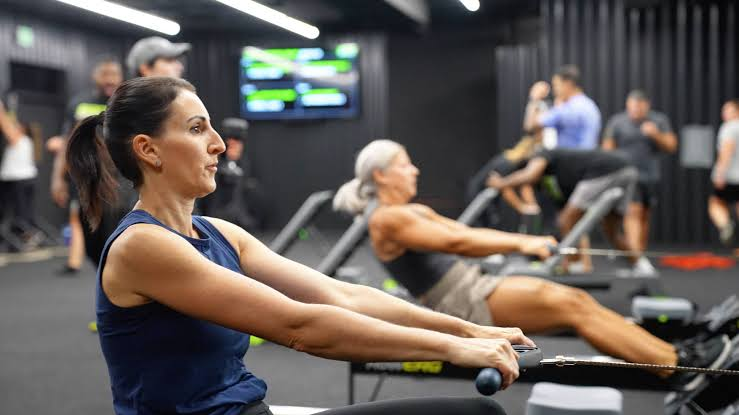
How to Choose the Right Fitness Program
Finding a workout routine that fits your goals, lifestyle, and fitness level can make it easier to stay consistent. With so many training options available, knowing how to choose a fitness program that meets your needs is an important first step toward building a sustainable exercise routine.
Whether you want to build strength, improve endurance, increase flexibility, or support general health, the right program should offer a suitable structure and realistic training expectations. It should also account for your current abilities, available time, and preferred way of exercising.
Start by Identifying Your Fitness Goals
Before comparing fitness programs, think about what you want to accomplish. Having a clear goal can help you narrow down your options and select a training approach that suits your priorities. If you are exploring gyms in Jackson, NJ, consider the available training programs, equipment, coaching options and fitness facilities to find an environment that supports your goals.
Building Strength and Muscle
If you want to improve muscular strength or develop muscle, look for a program that includes structured resistance training.
These programs may incorporate:
- Free weights and resistance machines.
- Bodyweight exercises.
- Compound movements.
- Progressive resistance.
- Planned recovery periods.
A suitable strength training program should match your experience and provide opportunities to gradually increase training demands.
Improving Cardiovascular Fitness
If your main goal is to improve endurance and cardiovascular health, consider programs that include activities such as walking, running, cycling, swimming, or interval training. The right approach depends on your current fitness level and preferred activities.
Improving Flexibility and Mobility
People who want to improve movement and flexibility may consider programs that include stretching, mobility exercises, yoga, or Pilates. These activities can complement strength and cardiovascular training by supporting movement quality and flexibility.
Supporting Overall Fitness
You may not have one specific fitness goal. If you want to improve general physical fitness, consider a balanced program that combines strength training, cardiovascular exercise, and mobility work. This approach can help develop different aspects of fitness without focusing exclusively on one type of exercise.
Consider Your Current Fitness Level
A fitness program should challenge you appropriately without requiring you to perform exercises beyond your current ability.
Programs for Beginners
If you are new to exercise or returning after a long break, start with a program that introduces fundamental movements and manageable training sessions.
Beginner-friendly programs often focus on:
- Learning correct exercise techniques.
- Building basic strength and endurance.
- Developing a consistent workout schedule.
- Understanding rest and recovery.
- Gradually increasing exercise difficulty.
Starting with manageable workouts can help you become familiar with different exercises and build confidence.
Programs for Intermediate Fitness Levels
If you already exercise regularly, you may be ready for a program with more structured training volume or varied exercise combinations. An intermediate program may include resistance progression, different workout formats, and more specific training goals.
Programs for Advanced Training
Experienced individuals may prefer programs with specialized workout structures, higher training demands, or performance-focused objectives. These programs should still account for recovery, training history, and individual limitations. Greater intensity is not automatically better for every person.
Compare Different Types of Fitness Programs
Fitness programs can vary considerably in their training methods, coaching arrangements, and level of flexibility. Understanding the main options can help you identify which format suits your preferences.
Personal Training Programs
Personal training involves working with a fitness professional who provides individual guidance during workouts. This approach may be useful if you prefer direct supervision, personalized exercise selection, and regular feedback on technique.
Group Fitness Programs
Group fitness classes provide an organized training environment where participants exercise together under an instructor’s guidance.
Common options include:
- Strength and conditioning classes.
- Circuit training.
- Indoor cycling.
- Functional fitness.
- Yoga and Pilates.
Group programs may suit people who enjoy structured sessions and exercising alongside others.
Online Fitness Programs
Online fitness programs provide workout plans and training resources through digital platforms. Depending on the provider, they may include exercise demonstrations, progress tracking, scheduled workouts, and remote coaching. This format can offer flexibility for people who prefer exercising at home or organizing workouts around changing schedules.
Hybrid Training Programs
Hybrid training combines coached sessions with independent workouts. Participants may receive structured programming and coaching support while completing some sessions on their own. This approach can suit people who want a balance between guidance and scheduling flexibility.
Evaluate the Coaching and Support Available
The quality and accessibility of coaching can influence your overall training experience. Consider how much guidance you need and what support the program provides.
Check Trainer Qualifications
Look into the qualifications and experience of the fitness professionals responsible for designing or supervising the program. Ask whether they have experience working with people who share similar goals or training requirements.
Understand the Level of Personalization
Some programs follow a standard workout plan, while others adapt exercises according to individual fitness levels and progress. If you have specific goals, previous injuries, or exercise limitations, ask how the program accommodates these factors.
Review Progress Tracking
Progress tracking can help you understand how your training is developing.
Depending on the program, this may involve:
- Recording workout performance.
- Tracking exercise resistance and repetitions.
- Reviewing fitness assessments.
- Monitoring training consistency.
- Adjusting goals as your abilities change.
Regular reviews can help you identify areas that may need adjustments.
Choose a Program That Fits Your Schedule
Even a well-designed fitness program can be difficult to maintain if it does not fit your daily routine.
Consider Your Weekly Availability
Think about how many days you can realistically dedicate to exercise. For example, someone with a busy work schedule may prefer three shorter workouts each week, while someone with more flexibility may have time for additional sessions. Choose a schedule that you can maintain over time rather than committing to more workouts than your routine allows.
Look at Session Duration
Check how long each workout takes, including warm-ups, exercise sessions, and cool-downs. If you have limited time, look for programs that offer manageable session lengths without compromising the overall training structure.
Consider Location and Accessibility
Think about where you prefer to exercise. Some people enjoy visiting a fitness facility, while others prefer working out at home or combining both options. If a program requires regular facility visits, consider travel time, operating hours, and access to the equipment you need.
Understand the Cost and Program Inclusions
Fitness program prices can vary depending on coaching, facilities, session frequency, and additional services. Before enrolling, review what the cost includes.
Compare Membership and Coaching Fees
Ask whether the advertised price covers the complete program or whether separate charges apply for personal training, group sessions, equipment, or facility access. Understanding the pricing structure can help you compare different options more accurately.
Check Additional Resources
Some fitness programs include additional resources that support training outside scheduled sessions.
These may include:
- Workout guides and exercise demonstrations.
- Nutrition education.
- Progress reviews.
- Coaching check-ins.
- Training apps or digital resources.
Confirm which resources are included and whether any additional fees apply.
Look for a Program You Can Maintain
A fitness program should be practical enough to fit into your lifestyle over the long term.
Focus on Consistency Rather Than Intensity
A demanding workout schedule may seem appealing initially, but it can be difficult to maintain if it does not match your current fitness level or availability. Choose a program that allows you to build consistency and increase training demands gradually.
Consider Exercise Preferences
You are more likely to enjoy a routine when it includes activities you find interesting and manageable. If you prefer lifting weights, a strength-focused program may be a good fit. If you enjoy exercising with others, group fitness or coached classes may be more appealing.
Allow Room for Adjustments
Your schedule, fitness level, and goals may change over time. A suitable program should allow adjustments when your circumstances or training requirements change. Discuss how the provider handles program updates, missed sessions, and changes in training goals.
Questions to Ask Before Joining a Fitness Program
Before making your decision, ask the provider a few important questions:
- What does the fitness program include?
- Is the program suitable for my current fitness level?
- How are workouts structured?
- Is coaching or individual guidance included?
- How is progress monitored?
- Can the training schedule be adjusted?
- Are there additional membership or equipment costs?
- What happens if I need to modify my workouts?
Getting clear answers can help you understand what to expect and determine whether the program matches your needs.
Conclusion
Choosing the right fitness program involves more than selecting a workout plan. It requires understanding your goals, current fitness level, schedule, exercise preferences, and the type of coaching support you need.
Whether you choose personal training, group fitness, online workouts, or a hybrid training program, focus on finding an approach that is practical, structured, and suitable for your abilities. Get in touch with Sets Hybrid Training to find a training program that supports your fitness goals and fits your lifestyle.
Frequently Asked Questions
1. How do I choose the right fitness program for beginners?
Beginners should look for a program that introduces fundamental exercises, provides appropriate guidance, and allows them to build strength and endurance gradually.
2. Should I choose personal training or group fitness?
Personal training offers more individual guidance, while group fitness provides instructor-led workouts in a shared environment. The right option depends on your preferences and training needs.
3. How many days a week should I exercise?
Your weekly exercise schedule depends on your fitness level and goals. General adult guidelines recommend regular aerobic activity and muscle-strengthening exercises at least two days per week.
4. Are online fitness programs effective?
Online fitness programs can support training when they provide suitable workout plans, clear exercise instructions, and appropriate guidance for individual needs.
5. Can I change my fitness program as my goals develop?
Yes, your training program can be adjusted as your fitness level, schedule, and goals change. Regular progress reviews can help identify when modifications may be appropriate.