
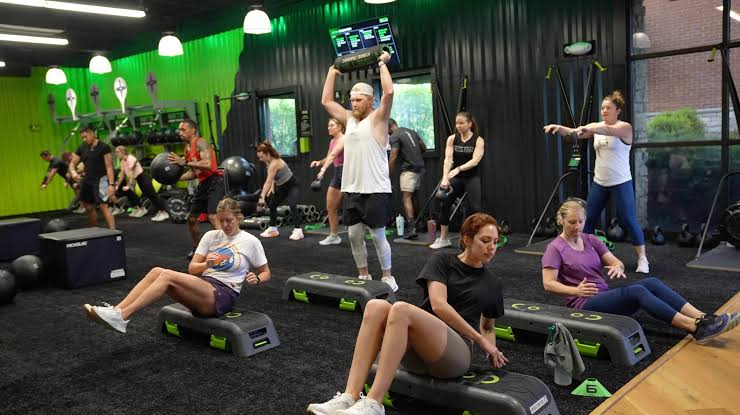
Strength Training for Women: Myth vs Fact
Strength training for women can support muscular strength, physical performance, bone health and overall fitness. However, several misconceptions about lifting weights can make women hesitant to include resistance training in their routines. Understanding the difference between common myths and facts can help women approach strength training with realistic expectations and choose a programme that matches their individual goals.
Strength gym training can benefit women across different ages and fitness levels. Lifting weights does not automatically lead to excessive muscle growth, and women can adjust resistance, training volume, exercise selection and frequency according to their goals. A balanced approach should focus on appropriate resistance exercises, gradual progression, proper technique, recovery and consistency.
Myth: Strength Training Will Automatically Make Women Bulky
One of the most common misconceptions is that lifting weights will automatically cause women to develop excessive muscle size. Muscle development depends on several factors, including training volume, resistance, nutrition, genetics, consistency and individual physiology. Strength training can instead be structured to focus primarily on improving strength, endurance, movement quality or general fitness without making muscle size the main objective.
Fact: Training Can Be Adjusted to Individual Goals
Women can structure resistance training around different objectives. Someone focused on developing strength may gradually work with challenging resistance, while someone interested in general fitness may use a combination of strength exercises and cardiovascular activity. The training approach should therefore be based on individual goals rather than assumptions about how women should train.
Myth: Women Should Only Lift Light Weights
There is no universal rule that women should only use light weights. The appropriate resistance depends on the exercise, training experience, physical ability and desired outcome. Using a suitable level of resistance can provide an effective training stimulus while still allowing the exercise to be performed with controlled technique.
Fact: Resistance Should Match Your Current Ability
Women can gradually increase resistance as they become stronger and more comfortable with an exercise. Progress does not always require adding more weight, as improvements can also come from performing additional repetitions, improving movement control or increasing training volume appropriately. Useful progression methods include:
- Gradually increasing resistance
- Performing additional repetitions
- Improving exercise technique
- Increasing training volume when appropriate
Myth: Cardio Is Better Than Strength Training for Fat Loss
Cardiovascular exercise can increase energy expenditure and support cardiovascular fitness, but it is not the only form of exercise that can contribute to changes in body composition. Strength training can help develop and maintain muscle while supporting an active lifestyle. Nutrition, daily activity, sleep and overall exercise habits also influence changes in body weight and body composition.
Fact: Strength Training Supports Overall Fitness
Resistance training can improve muscular strength and endurance while supporting functional movement and physical performance. It can also complement cardiovascular exercise rather than replace it. Gyms in Hamilton may offer access to equipment and training options that support a balanced fitness routine, which can include strength training, cardiovascular activity, mobility exercises and appropriate recovery based on individual needs and goals.
Myth: Women Need Completely Different Exercises
Women do not necessarily need a completely different set of exercises simply because they are women. Fundamental movement patterns such as squatting, hinging, pushing, pulling and carrying can be useful for many people. However, individual exercise selection should account for experience, mobility, anatomy, physical ability, goals and available equipment.
Fact: Individualisation Matters More Than Gender
The most suitable strength training programme is one that fits the individual. Training history, current strength, mobility, exercise preferences and recovery capacity can all influence which exercises are appropriate. Rather than following rigid gender-based training rules, women can benefit from a programme designed around their personal circumstances and objectives.
Myth: Strength Training Is Unsafe for Women
Strength training is not inherently unsafe for women. As with any form of exercise, the level of risk can be influenced by exercise selection, technique, resistance, fatigue and how quickly training demands are increased. Learning appropriate movement patterns and progressing gradually can help create a controlled training approach. Women with injuries, medical conditions or specific health concerns should consider appropriate professional guidance before starting or significantly changing an exercise programme.
Fact: Technique and Progression Matter
Good technique is an important part of effective resistance training. The goal should not simply be to lift heavier weights, but to perform exercises with appropriate control and a suitable range of motion. Starting with manageable resistance and increasing the training challenge gradually can provide a stronger foundation for long-term progress.
Myth: Women Should Avoid Heavy Lifting as They Get Older
Getting older does not automatically mean that women should stop strength training. Resistance exercise can remain an important component of an active lifestyle, although training methods may need to change according to physical ability, recovery and individual goals. Exercise selection, resistance and training frequency can be adjusted as circumstances change.
Fact: Strength Training Can Support Healthy Ageing
Maintaining muscular strength can help support everyday physical activities and overall physical function. Resistance training can also complement other forms of exercise, including cardiovascular activity, mobility work and balance-focused exercises. The appropriate programme may change over time, but strength training can remain useful when it is adapted to current ability.
Myth: Women Need to Train Every Day to See Results
Training every day is not necessary for everyone to make progress. Strength development requires both an appropriate training stimulus and adequate recovery. Performing too much training without enough rest can contribute to persistent fatigue and make it more difficult to maintain good exercise performance.
Fact: Consistency Matters More Than Training Every Day
The most useful training schedule is one that can be followed consistently while allowing enough time for recovery. Some women may benefit from two or three strength sessions per week, while others with more experience may use a higher training frequency with carefully distributed workload. The appropriate schedule depends on goals, experience, available time and recovery capacity.
How Should Women Start Strength Training?
Women who are new to resistance training can begin with fundamental exercises and manageable sessions that allow them to learn proper movement patterns. Early training should focus on consistency, technique and becoming comfortable with resistance rather than immediately attempting demanding workouts. As experience develops, resistance and training volume can be increased gradually according to individual progress.
What Should Women Look for in a Strength Training Program?
A suitable programme should provide a balanced approach rather than focusing excessively on one exercise or muscle group. It should also fit the person’s schedule, equipment access, experience and fitness goals. Important features of a well-structured programme include:
- Balanced movement patterns and exercise selection
- Appropriate resistance and training volume
- Gradual progression over time
- Adequate recovery between demanding sessions
- Exercises that match current ability
How Can Women Make Strength Training Sustainable?
Sustainability is an important part of long-term training. A programme that requires more time, recovery or effort than a person can realistically manage may be difficult to maintain. Choosing realistic training days, tracking progress and adjusting workload when necessary can make strength training easier to continue. The programme can then evolve as strength, experience and goals change.
Conclusion
The facts about strength training for women show that resistance exercise can be a valuable part of a balanced fitness routine. Women do not automatically become bulky from lifting weights, and they do not need to restrict themselves to very light resistance. Training can be adjusted according to individual goals, experience and physical ability.
A well-structured approach combines suitable exercises, appropriate resistance, gradual progression, proper technique and adequate recovery. By focusing on consistency rather than common misconceptions, women can make strength training a sustainable part of their long-term fitness routine. Connect with Sets Hybrid Training Center for strength training for women in Hamilton and find a training approach suited to your fitness goals.
FAQs
1. Is strength training good for women?
Yes. Strength training can help women improve muscular strength and endurance while supporting physical performance, functional movement and overall fitness.
2. Will strength training make women bulky?
Not automatically. Muscle development is influenced by factors such as training volume, resistance, nutrition, genetics and individual physiology. Training can be structured around different goals.
3. How often should women do strength training?
Training frequency depends on individual goals, experience, schedule and recovery. A consistent routine that provides enough recovery can be more useful than training every day.
4. Should women lift heavy weights?
Women can use challenging resistance when it is appropriate for their experience and goals. The resistance should allow them to maintain controlled technique and perform the exercise effectively.
5. Can women combine strength training with cardio?
Yes. Strength training and cardiovascular exercise can complement each other as part of a balanced fitness routine. The amount of each should be adjusted according to individual goals, schedule and recovery.